Diabetic Cataracts and Retinopathy in Dogs

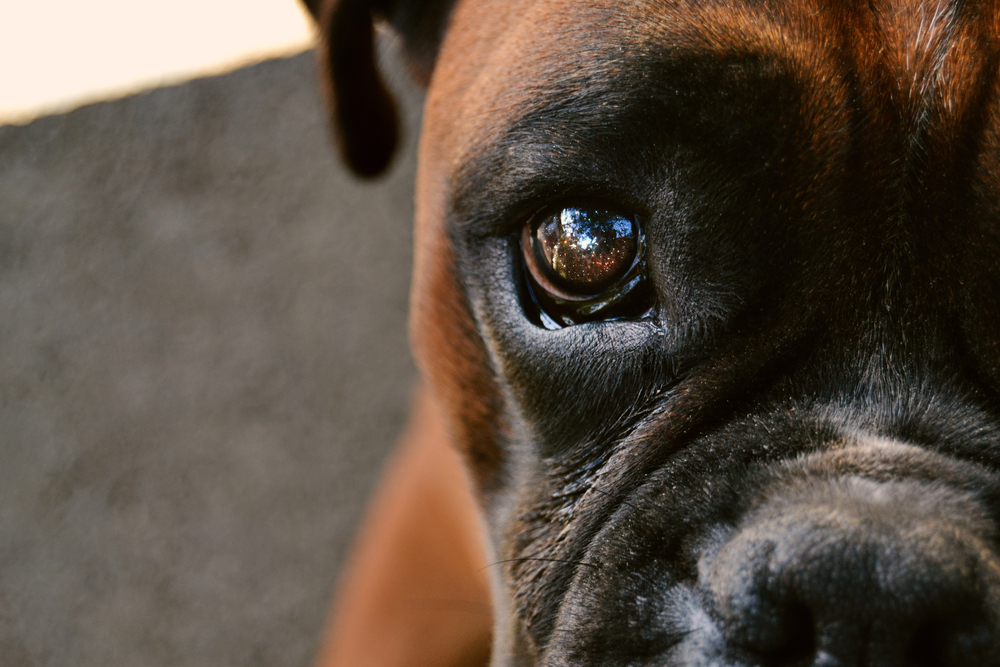
November is Pet Diabetes Month, making this a good time to discuss how diabetes can affect your pet’s eyes. Complications in diabetic dogs frequently include cataracts and retinopathy. Our Veterinary Vision Center team would like to provide information about how these conditions can affect your dog and how they are managed. Diabete mellitus in dogs [...]

Vitamin A Deficiency in Pet Reptiles

Are you the proud owner of a turtle, lizard, or snake? Or, maybe the reptile house is your favorite zoo attraction? Reptiles are unique members of the ecosystem and can be interesting pets, but their needs differ greatly from mammals. On October 21, reptile keepers and conservation advocates across the country use National Reptile Awareness [...]

Cholesterol-Related Eye Conditions in Dogs

October 12 is National Pet Obesity Awareness day, sponsored by the Association for Pet Obesity Prevention (APOP), which is dedicated to collecting data from veterinarians and pet owners regarding their pet’s weight, nutrition, obesity treatment strategies, and to understanding the consequences of excess weight in pets. As with humans, pet obesity in America has become [...]

Achromatopsia in Dogs

First identified in humans, achromatopsia also affects dogs, impeding their ability to see in bright light. Our Veterinary Vision Center team explains this concerning condition, also known as day blindness, to help you determine if your dog is affected.   The dog’s eye To understand achromatopsia, you must first understand the dog’s normal eye anatomy. The [...]

Progressive Retinal Atrophy in Cats

The retina is a light-sensitive cell layer at the back of the eye that contains photoreceptors. The lens focuses light that enters the eye onto the retina, and the photoreceptors convert the information into electrical signals that are sent to the brain for processing and interpretation. The retinal photoreceptors are classified as rod cells and [...]

Corneal Abscess in the Equine Eye

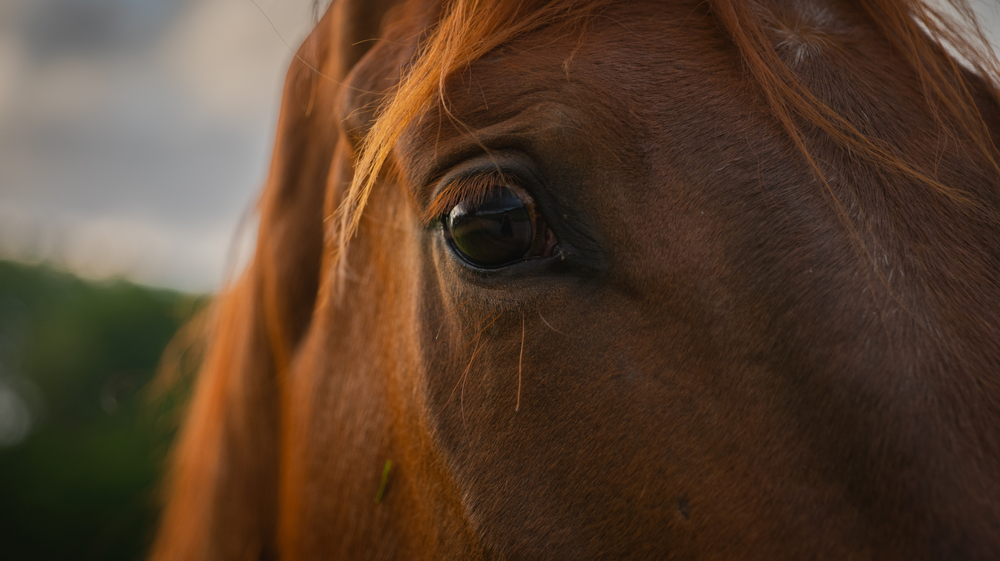
The cornea is the protective, clear, outer eye covering that keeps the outside world out, while allowing light in. This tissue is vulnerable to injury because of its eye position and environmental exposure, which can result in corneal clouding or scarring that affects vision. Some corneal injuries heal on their own in a few days, [...]

Retinal Detachment in Shih Tzus

Owners of a brachycephalic (i.e., flat-faced) pet need to be aware of certain ocular conditions and eye disorders that commonly develop in these breeds. Shih tzus in particular are prone to eye problems, because of their shallow, less protective, eye sockets. With these protruding eyes comes the potential for a condition called retinal detachment. If [...]

Horner’s Syndrome in Dogs

Numerous conditions can result in a dysfunction called Horner’s syndrome, which is a neurological disorder that affects the nerves innervating a dog’s eye and facial muscles. Our team at Veterinary Vision Center wants to provide information about this syndrome, in case your dog is affected. Horner’s syndrome signs in dogs A syndrome is a condition [...]

Spectacular Diseases in Snakes

Several factors can result in injury or infection in a snake’s spectacle, which can lead to impaired vision, and potentially affect their ability or willingness to eat. Our team at Veterinary Vision Center wants to provide information about spectacular diseases in snakes to ensure your affected reptilian pet gets the care they need. The snake [...]

The Case Of The Missing Eyelid: Eyelid Agenesis In Cats

June is Adopt-A-Shelter-Cat Month, which coincides with the height of kitten season. If you’ve been thinking about a new feline in your home, now is a great time to reach out to your local shelter. Shelter cats make wonderful companions, but, like dogs and other species, they can suffer from unique ophthalmic conditions. Herpes virus [...]

Go to Top