

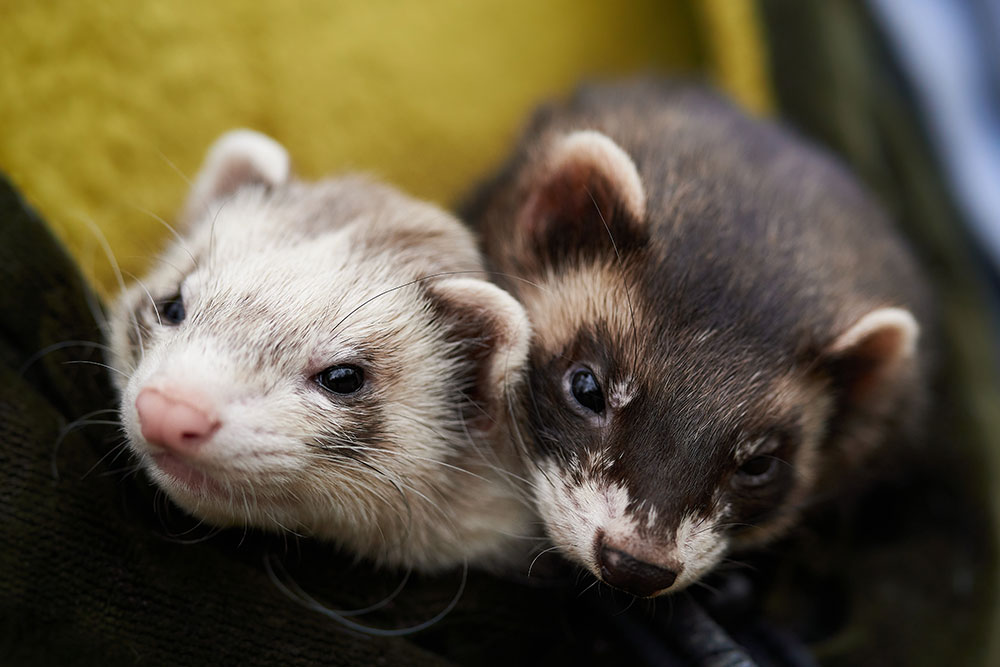
Ferret, Guinea Pig, and Rabbit Eye Problems: A Practical Guide for Owners
Maybe you’ve noticed your rabbit squinting more than usual, or your guinea pig has a little crusty discharge around one eye. Perhaps your ferret’s eyes look cloudier than they used to. Seeing eye issues in small pets can be worrying, especially because rabbits, guinea pigs, and ferrets are experts at hiding discomfort. By the time you notice something’s off, the problem may have been developing for a while.
The good news is that most eye conditions in these pets are very treatable when caught early. Understanding what to watch for and when to seek help gives you the best chance of protecting your pet’s comfort and vision.
Located inside University Veterinary Hospital in Shreveport, LA, Veterinary Vision Center offers specialized eye care from a board-certified veterinary ophthalmologist in a warm, family-style setting. We provide diagnostics and treatment for conditions ranging from simple irritation to corneal ulcers and cataracts. If you’re noticing changes in your pet’s eyes, please request an appointment so we can take a closer look.
Why Do Small Exotic Pets Have So Many Eye Problems?
Eye problems in rabbits, guinea pigs, and ferrets can develop quickly and significantly affect daily comfort. These species face risks that differ from dogs and cats, which is why specialized care makes such a difference.
A few anatomy differences explain why these pets are particularly vulnerable. Rabbits and guinea pigs have large, side-placed eyes that give them excellent peripheral vision for spotting predators, but that prominent position also exposes the cornea to injury. Rabbits have narrow tear ducts that clog easily, leading to runny eyes and irritated skin. And small mammal eyes tend to react strongly to irritants, so what starts as mild redness can worsen quickly if not addressed.
The challenges of treating ocular diseases in exotic pets require species-specific knowledge and techniques. What works for a dog’s eye infection may not be appropriate for a guinea pig.
Environmental factors play a big role too. Dusty bedding, sharp hay ends poking toward the face, and rough cage edges can all lead to irritation and injury. The good news is that many of these risks are preventable with simple housing adjustments.
When your pet needs expert evaluation, our ophthalmology services provide the specialized attention small companions deserve. We use species-appropriate exams and diagnostics to find the root cause and guide practical treatment.
Common Eye Conditions in Rabbits
Rabbits frequently struggle with tear drainage issues and environmental irritation. Their unique anatomy, particularly those narrow tear ducts and the close relationship between teeth and eye structures, creates vulnerabilities that other pets don’t face.
Frequent squinting or a wet, matted cheek often signals duct problems. Dental disease is a surprisingly common culprit because rabbit tooth roots sit very close to the tear ducts and can press on them as they grow. Cloudiness, white spots, or sudden vision changes always need prompt attention.
Understanding rabbit eye health means looking at the whole picture: tear ducts, dental health, and housing all play interconnected roles.
Dacryocystitis: When Tear Ducts Get Blocked or Infected
Dacryocystitis is inflammation or infection of the tear duct system, and it’s one of the most common eye-related problems we see in rabbits. Those naturally narrow ducts can become clogged due to dental changes, debris, or bacterial infection.
When ducts don’t drain properly, tears overflow onto the face. The constant wetness irritates the skin, and bacteria thrive in the damp environment. What starts as a wet cheek can progress to chronic runny eyes with matted fur, thick discharge, and painful skin sores.
Rabbits with dacryocystitis may show ongoing wetness below the eye, matted or stained cheek fur, thick white or yellow discharge, swollen eyelids, and red, sore skin where tears have been running.
When should you call? Any of these signs warrant evaluation. The sooner we address the underlying cause, the easier treatment tends to be.
In our clinic, we assess dental health (since overgrown tooth roots are a frequent contributor), gently flush tear ducts when needed, treat any infection present, and walk you through home care to keep the area clean and dry. Many rabbits need ongoing management, but with the right approach, they stay comfortable.
Encephalitozoon cuniculi: A Hidden Threat
Encephalitozoon cuniculi is a microscopic parasite that many rabbits carry without ever showing symptoms. When stress, illness, or immune changes trigger active disease, it can cause serious problems including cataracts and inflammation inside the eye.
This parasite is tricky because it can affect both the eyes and the nervous system. Watch for eye changes paired with head tilt, balance problems, or hind leg weakness. These combinations suggest E. cuniculi may be active.
Testing and targeted medications can help manage the infection and reduce inflammation. Early treatment improves comfort and helps protect vision. Our services include both medical and surgical options when eyes are severely affected.
Guinea Pig Eye Conditions: What to Watch For
Guinea pigs have wonderfully expressive faces, but those big, prominent eyes are easily irritated or injured. Dusty bedding, sharp hay ends, and rough cage edges are common culprits. Pawing at the face, excessive tearing, and sensitivity to light often signal that something hurts.
Even mild issues can escalate in guinea pigs, so early evaluation is always worthwhile. Understanding guinea pig eye health helps you act before problems worsen.
Conjunctivitis and Corneal Problems
Conjunctivitis, or inflammation of the tissues surrounding the eye, is common in guinea pigs. It can result from bacterial infection, environmental irritants like dusty bedding, or trauma from a cage mate’s nail or a hay poke.
Corneal ulcers are another frequent concern. These painful sores on the eye’s surface often develop when something scratches the cornea, whether it’s a piece of hay, bedding material, or an accidental injury during play.
Clear warning signs include:
- Squinting or holding one eye partly closed
- Redness around or inside the eye
- Excessive tearing or discharge
- Cloudiness or a blue-gray haze over the eye
- Sensitivity to light or avoiding bright areas
Addressing these problems early prevents deeper ulcers that can scar permanently or even threaten the eye itself.
Simple prevention steps:
- Choose low-dust bedding materials
- Offer hay in racks or containers that limit direct face contact
- Check enclosures for sharp edges or rough spots
- Keep living spaces clean to reduce bacterial load
Fatty Eye and Pea Eye
“Fatty eye” occurs when fat tissue behind the eye causes a visible bulge. “Pea eye” refers to protruding conjunctival tissue at the inner corner of the eye. Both conditions can be genetic or related to body condition.
Some cases are purely cosmetic and don’t bother the guinea pig at all. However, larger bulges can interfere with blinking and proper tear distribution, leading to dry spots on the cornea and secondary irritation.
We assess tear film quality, eyelid function, and corneal health to determine whether treatment is needed. When swelling affects comfort or eye protection, we discuss management options.
Maintaining a healthy weight, providing safe housing, and monitoring for subtle changes all support long-term eye comfort.
Ferret Ocular Problems: Often More Than Meets the Eye
Ferret eye issues deserve special attention because they frequently signal whole-body illness. While trauma and local infections certainly occur, eye changes in ferrets can be early warnings of serious systemic disease.
The connection between ferret eye trauma and disease is well documented. Thick discharge, crusting around the eyes, or unusual light sensitivity shouldn’t be dismissed as minor irritation. Some viral infections and metabolic diseases progress rapidly, and the eyes may show changes before other symptoms become obvious.
When ferrets come to us with eye concerns, we often coordinate eye care with broader medical assessment to make sure we’re not missing something bigger.
Canine Distemper: A True Emergency
Unlike distemper in dogs, ferret distemper is nearly always fatal in unvaccinated animals. Eye symptoms are often among the earliest signs.
Watch for:
- Thick, sticky discharge from the eyes
- Redness and crusting around the eyelids
- Sensitivity to light
- Eye symptoms combined with fever, lethargy, skin changes, or loss of appetite
Critical points every ferret owner should know:
- Distemper is almost always fatal in ferrets once symptoms develop
- Vaccination is the only reliable protection
- If your ferret shows eye symptoms along with any general illness signs, seek immediate care
We help identify urgent signs quickly and support prevention through vaccination protocols coordinated with your primary veterinarian. For urgent concerns, use our contact options right away.
Trauma and Age-Related Changes
Ferrets are curious, energetic, and sometimes reckless. They squeeze into tight spaces, climb where they probably shouldn’t, and occasionally collide with things at full speed. This adventurous nature makes eye injuries relatively common.
Supervise active play, ferret-proof exploration areas by removing sharp edges and small objects that could become projectiles, and watch interactions with other pets to prevent accidental injuries.
As ferrets age, cataracts become more common. These cloudy changes in the lens develop gradually and may not significantly affect quality of life in mild cases. When cataracts do impair vision, we discuss realistic goals and treatment options with compassionate support throughout.
Because eye changes in ferrets can reflect underlying disease, bloodwork and other diagnostics may be part of the evaluation even when the problem seems localized to the eyes.
Housing Changes That Protect Eyes
Many eye problems in rabbits, guinea pigs, and ferrets are preventable with thoughtful housing choices. Small environmental adjustments can significantly reduce irritation and injury risk.
Rabbit Housing
Smart setup choices minimize dust, debris, and injury risk. Good rabbit housing emphasizes ventilation, adequate space, and appropriate bedding.
Eye-friendly tips:
- Choose low-dust bedding materials like paper-based products
- Store and offer hay so sharp ends don’t point toward face level
- Avoid wire-bottom enclosures that trap debris near the eyes
- Ensure good air circulation to limit ammonia buildup, which irritates both eyes and airways
Guinea Pig Habitat
Proper guinea pig care includes housing that prevents pokes and scratches.
Key considerations:
- Choose smooth-sided enclosures and check regularly for sharp edges
- Offer hay in racks or containers that limit direct face contact
- Provide enough space to reduce dominance-related scuffles that can cause eye injuries
- Use low-dust bedding and maintain cleanliness
Ferret-Proofing
Safe ferret housing and play areas protect adventurous pets during their explorations.
Protection strategies:
- Remove small objects that could be flung or batted into the face
- Secure hanging items and pad sharp furniture corners
- Supervise play with other pets to prevent accidental eye contact injuries
- Check play areas for hazards at ferret eye level
For personalized prevention guidance tailored to your home and pet, our team is happy to discuss husbandry strategies during your visit.
When Do Eye Symptoms Need Veterinary Care?
Exotic pets are masters at hiding illness, so when you notice something wrong, it’s often been developing for a while. Knowing when to act helps you get help before problems worsen.
Urgent Signs: Seek Same-Day Care
Contact us immediately if you notice:
- Sudden vision loss or obvious trauma with bleeding
- A bulging or sunken eye
- Complete eye closure or inability to open the eye
- Intense redness with thick colored discharge
- Whole-eye cloudiness that developed rapidly
- Eye problems combined with lethargy, loss of appetite, or breathing changes
A quick phone call before you travel helps us prepare and may prevent delays when you arrive.
Concerning Signs: Schedule an Evaluation Soon
Book a visit within a few days if you notice:
- Persistent clear tearing that doesn’t resolve
- Mild redness or swelling around the eye
- Light sensitivity or squinting
- Small amounts of discharge
- Gradual changes in eye clarity
- Behavior shifts like avoiding bright rooms or decreased interest in food
A word of caution: The “wait and see” approach that sometimes works with dogs and cats often backfires with exotic pets. Their ability to hide discomfort means that visible symptoms usually indicate a problem that’s been developing for some time. Timely assessment is the safer choice.
If you’re unsure whether your pet needs to be seen, contact us to discuss symptoms, or request an appointment for a thorough evaluation.
How We Diagnose and Treat Eye Problems in Small Mammals
Accurate diagnosis requires gentle handling, appropriate restraint techniques, and the right diagnostic tools. We tailor our approach to each species and condition.
Diagnostic tools we use:
- Comprehensive eye examination with bright magnification
- Fluorescein stain to reveal corneal ulcers or scratches
- Tear duct flushing to assess drainage (especially important in rabbits)
- Cultures when bacterial infection is suspected
- Bloodwork or imaging when systemic disease seems likely
Treatment approaches:
- Topical drops or ointments for infection and inflammation
- Systemic medications for parasites or whole-body illness
- Sedation-assisted procedures (like duct flushing) for patient comfort
- Surgical repair for trauma or structural problems when needed
- Environmental recommendations to prevent recurrence
Our services for small mammals include advanced diagnostics and treatment options when conservative care isn’t enough.
Home Care: Giving Eye Medications and Tracking Progress
Applying eye medications to a wiggly rabbit, guinea pig, or ferret takes practice. The right technique makes it easier for everyone.
How to Apply Topical Eye Medications
- Set up in a well-lit area with medications within easy reach
- Wrap your pet gently in a soft towel (“burrito style”) to keep them secure while supporting the head
- Position the affected eye facing outward while stabilizing the body
- For ferrets especially, a two-person approach works best: one person holds, the other applies medication quickly
- Place drops or a thin ribbon of ointment along the lower lid without touching the eye surface
- Reward with a favorite treat and quiet time afterward
Signs Treatment Is Working
As medications take effect, you should notice:
- Less discharge and tearing within a few days
- Reduced squinting and more normal eye opening
- Clearer, brighter-looking eyes
- Return to normal eating, grooming, and activity
Call us if:
- Symptoms worsen despite treatment
- New redness or cloudiness appears
- Your pet seems painful or increasingly uncomfortable
- You don’t see improvement within the expected timeframe
We’re here to help with coaching on technique, dosing questions, or any concerns that come up during treatment. Please contact us whenever you need guidance.
Frequently Asked Questions
Can eye problems spread between cage mates?
Some can. Bacterial infections and certain parasites may spread through close contact, so temporary separation is sometimes recommended while we treat the affected pet and monitor others.
How can I prevent eye problems in my small pet?
Use low-dust bedding, manage hay safely so sharp ends aren’t at face level, smooth any rough enclosure edges, provide balanced nutrition, minimize stress, and act promptly on early warning signs rather than waiting to see if problems resolve.
Are eye problems common in rabbits, guinea pigs, and ferrets?
Yes, particularly in rabbits and guinea pigs due to their prominent eye placement and, in rabbits, the narrow tear duct anatomy. Many issues are manageable or even preventable with good husbandry and early intervention.
Can I clean discharge from my pet’s eye at home?
Gentle cleaning with warm water and a soft, clean cloth is fine for removing crusty discharge. However, ongoing or worsening discharge needs veterinary evaluation to address the underlying cause rather than just managing the symptom.
Protecting Your Small Pet’s Vision
Rabbits, guinea pigs, and ferrets are vulnerable to eye problems, but most conditions are very manageable when caught early. Many are even preventable with simple housing adjustments and attention to environmental hazards.
Our specialty practice brings advanced ophthalmology expertise to a warm, family-style setting focused on your pet’s comfort and quality of life. From precise diagnostics to targeted treatments, we guide you through decisions with patience and empathy.
If you’re noticing changes in your pet’s eyes, we’re here to help. Contact us with questions about symptoms you’re seeing, or schedule an appointment to get your companion on the path to clearer, more comfortable vision. We’ll partner with you to protect their eyesight and ease your worries.


Leave A Comment