


How Diabetes Can Affect Your Pet’s Eyes: What Every Pet Owner Should Know
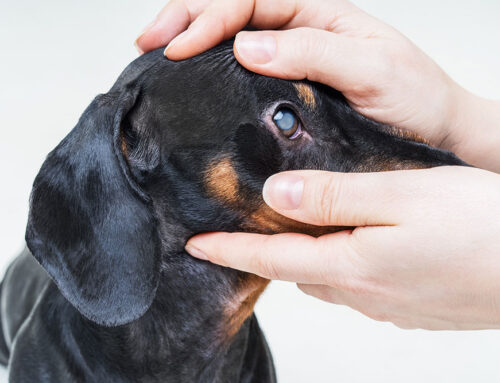
If you’ve recently noticed a cloudy appearance in your dog’s eyes after their diabetes diagnosis, you’re not alone in your concern. Many pet owners feel worried when they learn that diabetes can impact their companion’s vision, and it’s completely natural to want to understand what lies ahead. The good news is that with early detection and proper care, many diabetes-related eye complications can be managed effectively.
At Veterinary Vision, we’ll take the time to help you understand how diabetes impacts different parts of your pet’s eye, what warning signs to watch for, and how our ophthalmology specialists can help preserve your pet’s vision through proactive monitoring and treatment. We offer cataract surgery that can change the life of a diabetic pet by restoring vision and joy to their lives.
The Connection Between Diabetes and Eye Health
When your pet has diabetes, elevated blood glucose levels disrupt normal metabolic processes throughout the body, including in delicate eye structures. In the lens, high glucose triggers biochemical changes that lead to swelling and opacity. Meanwhile, damaged blood vessels affect the retina and other tissues. Understanding these ocular manifestations of pet diabetes helps explain why regular eye monitoring becomes so important.
Dogs and cats experience different complications from diabetes in pets:
- Dogs:High risk of rapid cataract formation, with most developing cloudy lenses within the first year after diagnosis
- Cats:Rarely develop diabetic cataracts but may experience retinal complications or slower corneal healing
Maintaining stable blood glucose levels through consistent insulin therapy, appropriate diet, and regular monitoring plays a crucial role in slowing eye disease progression. Our comprehensive ophthalmology services include specialized diagnostic testing that allows us to detect even subtle changes early.
Understanding Diabetic Cataracts in Dogs
How Cataracts Form and Progress Rapidly
Diabetic cataracts develop much faster than age-related cataracts in senior dogs. The culprit is excess glucose converting into sorbitol in the lens, which draws in water and causes swelling and cloudiness. Your dog’s cataracts can progress from small spots to complete opacity within weeks or months.
Signs you might notice include:
- Bluish-white appearance in the eyes
- Bumping into furniture
- Hesitating at stairs
- Disorientation in dim lighting
At the Veterinary Vision Center, we recommend scheduling eye exams every few months for diabetic dogs so we can track changes and intervene at the optimal time.
Recognizing and Managing Lens-Induced Inflammation
As cataracts mature, lens proteins can leak and trigger uveitis, an inflammation that causes significant discomfort. Signs include redness, squinting, increased tearing, and constricted pupils. Left untreated, uveitis can lead to glaucoma, retinal detachment, or lens rupture.
The key is early intervention with anti-inflammatory medications. When we detect cataracts during your dog’s initial eye examination, we typically prescribe topical drops to minimize inflammation and preserve candidacy for future surgery.
Restoring Vision Through Cataract Surgery
When cataracts affect your dog’s quality of life, cataract surgery offers hope for vision restoration. Our board-certified ophthalmologist performs phacoemulsification, using ultrasound energy to remove the clouded lens and often implanting an artificial lens.
Good surgical candidates have:
- Well-regulated diabetes with stable glucose levels
- Minimal or controlled uveitis
- Healthy retinas
- Owners able to manage intensive post-operative care
Pre-surgical evaluation includes advanced diagnostic testing to assess retinal health and eye structure. With our 95% success rate for cataract surgeries, we can give you realistic expectations about outcomes. Early referral often leads to better results, so reach out to discuss whether surgery might be appropriate for your dog.
Other Eye Complications Related to Diabetes
Dry Eye and Corneal Vulnerability
Diabetes can compromise tear production through immune-mediated damage to tear glands or nerve dysfunction. This leads to dry eye, leaving the cornea vulnerable to irritation and painful corneal ulcers that heal slowly in diabetic patients.
Watch for these signs:
- Thick, mucoid discharge
- Redness and dull corneal appearance
- Frequent squinting or eye rubbing
During comprehensive exams at Veterinary Vision Center, we perform tear testing to identify dry eye before it causes serious damage. Treatment involves artificial tears and immune-modulating medications. Our specialized diagnostic capabilities allow us to monitor corneal health closely and adjust treatment as needed.
Retinal Changes and Vascular Damage
While diabetic retinopathy in dogs and cats doesn’t typically progress to the severity seen in humans, chronic elevated blood sugar can damage retinal blood vessels, causing microaneurysms, small hemorrhages, or abnormal vessel growth. We often identify subtle changes during pre-surgical cataract evaluations or routine monitoring appointments.
Blood pressure monitoring plays an important role in protecting retinal health, since hypertension compounds vascular damage from diabetes. We take a comprehensive approach that considers all factors affecting your pet’s eye health, coordinating with your primary veterinarian when needed.
Warning Signs That Your Diabetic Pet Needs Eye Care
Behavioral changes:
- Hesitancy navigating familiar spaces
- Bumping into furniture
- Difficulty locating food bowls or toys
- Reluctance to use stairs
Physical changes:
- Cloudiness or opacity in the eyes
- Redness or inflammation
- Persistent squinting
- Unusual discharge
- Changes in pupil size
- Visible swelling
Trust your instincts. Taking photos of your pet’s eyes when you notice changes can help track progression. Don’t hesitate to schedule an examination whenever you have concerns. Our family-style approach means we’re always happy to answer questions and provide guidance.
Protecting Your Diabetic Pet’s Vision Through Proactive Care
Making Eye Exams Part of Routine Diabetes Management
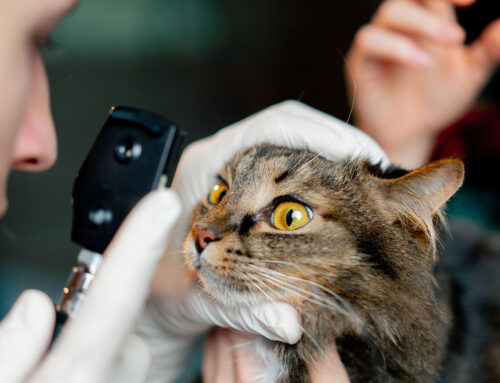
We recommend dilated eye exams every three to six months for diabetic pets, with more frequent visits if we detect cataracts or other changes. These regular check-ups allow us to catch problems in their earliest stages when treatment is most effective.
A comprehensive eye exam includes:
- Tear production assessment
- Corneal examination
- Lens evaluation for cataracts
- Eye pressure measurement
- Dilated retinal and optic nerve examination
Early detection changes outcomes significantly. We work closely with your primary veterinarian and coordinate specialist referrals when needed. Our team of specialists brings gold-standard expertise to every examination while maintaining the compassionate, personal attention that defines Veterinary Vision Center.
Optimizing Blood Sugar Control for Better Eye Health
While even well-managed diabetic dogs can develop cataracts, maintaining stable blood glucose levels offers the best protection. Better control may reduce retinopathy risk, preserve tear gland function, and support healthier corneal healing.
Key management factors include:
- Consistent insulin administration
- Regular glucose monitoring
- Appropriate diabetic diets
- Routine veterinary rechecks
Maintain realistic expectations. Even with excellent control, most dogs will eventually develop some degree of cataract formation. The goal is to slow progression, maximize comfort, and maintain the best possible quality of life. Our comprehensive approach to ocular care supports this through expert monitoring, timely intervention, and compassionate guidance.

Partnering With You for Your Pet’s Vision and Comfort
Eye complications from diabetes can feel overwhelming when you’re already managing insulin injections, diet changes, and regular monitoring. At Veterinary Vision Center, we provide world-class ophthalmology care in a family-style setting where your pet is treated as the beloved family member they are. With our board-certified specialist, advanced diagnostic capabilities, and proven success rates, we’re equipped to help your diabetic pet maintain comfortable, functional vision for as long as possible.
Many pets continue to see well with appropriate monitoring and treatment, and even those who experience vision loss often adapt remarkably well. What matters most is catching problems early, intervening promptly, and maintaining a strong partnership between you, our ophthalmology team, and your primary veterinarian.
We invite you to contact our practice with any questions about your diabetic pet’s eye health. Whether you need to schedule a routine monitoring exam or have concerns about changes you’ve noticed, we’re here to provide the expertise and compassionate care your pet deserves.


Leave A Comment