

The Eyes Tell the Story: How Systemic Diseases Affect Vision in Pets
When you notice your pet bumping into things or seeming confused about their surroundings, it’s natural to worry. A sudden change in your pet’s vision, like seeing a cloudiness in their eyes or a pupil that looks unusually large, can be alarming. These visual changes- like blurred sight, dilated pupils, or bleeding- are sometimes the first, most visible signs of a larger, systemic health issue such as diabetes, hypertension, or thyroid disorders. This is why a comprehensive veterinary exam is essential; it reveals how whole-body diseases impact the delicate health of their eyes.
At Veterinary Vision Center, our team understands that when your pet’s eyes change, it can feel deeply personal. Located inside University Veterinary Hospital in Shreveport, our specialty ophthalmology team works closely with pet owners and referring veterinarians to uncover the root cause of ocular changes, whether localized or systemic. Through advanced diagnostics, gentle care, and clear communication, we help protect the love and connection you share with your pet.
How Systemic Diseases Affect Pet Eye Health
Your pet’s eyes are more than windows to their soul- they’re windows to their overall health. Because the eyes have a rich network of blood vessels, nerves, and delicate structures, they are often among the first organs to show signs of internal disease. Subtle changes in brightness, pupil size, or color can signal that something deeper is occurring in the body.
At Veterinary Vision Center, our approach to diagnosing these changes includes a complete ophthalmic exam, pressure testing, and specialized imaging, helping identify systemic links early. Regular eye and wellness exams ensure that underlying issues don’t go unnoticed. We often collaborate with primary care veterinarians to run additional diagnostics, such as bloodwork or blood pressure monitoring, to uncover hidden systemic problems that may present first through ocular symptoms.
Common Systemic Diseases That Affect Vision
Systemic conditions can influence how well your pet’s eyes function, sometimes leading to sudden or gradual vision loss. Disorders like diabetes, high blood pressure, or immune-mediated diseases often affect blood flow or nerve function within the eye.
Our board-certified ophthalmologist uses advanced imaging and blood pressure testing to identify these systemic complications early, ensuring your pet receives timely and targeted treatment. In many cases, rapid detection can mean the difference between temporary impairment and permanent vision loss.
Diabetes and the Eyes: Managing a Common Risk
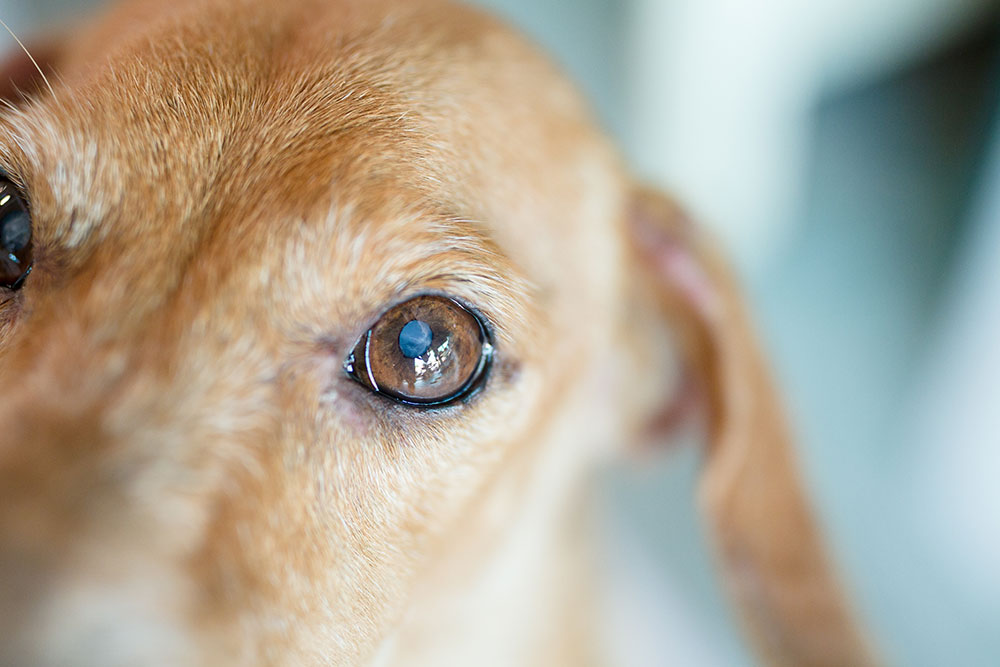
Diabetes mellitus is one of the leading systemic conditions that affects canine vision. This chronic disease occurs when the body cannot properly regulate blood sugar levels, either due to insufficient insulin production or insulin resistance. When blood sugar remains uncontrolled, excess glucose alters lens metabolism, leading to opacity and the formation of diabetic cataracts. The high glucose levels cause fluid to accumulate within the lens fibers, creating a cloudy appearance that progresses rapidly. Many dogs can lose vision within weeks to months of diagnosis if cataracts develop rapidly.
The good news is that Veterinary Vision Center specializes in cataract evaluation and surgery- with a 95% success rate for visual restoration following surgery. Through early detection, strict glucose control, and ongoing collaboration between our ophthalmology and primary care teams, many diabetic pets can maintain comfortable, functional vision for years. Our team also provides owners with detailed post-operative care instructions and long-term monitoring to prevent recurrence or secondary inflammation.
Our services include pre-surgical evaluations, ocular imaging, and post-operative care to ensure every diabetic patient receives safe, individualized treatment. We also educate owners about the importance of daily glucose monitoring and nutrition, as managing the systemic disease directly impacts ocular outcomes.
Infectious Diseases That Impact the Eyes
Managing uveitis– inflammation of the inner eye structures- requires identifying its source, which often lies beyond the eye itself. Uveitis affects the uveal tract, which includes the iris, ciliary body, and choroid, and can develop from autoimmune disorders, infectious disease, or trauma. This condition causes pain, redness, and sensitivity to light, often making pets squint or avoid bright areas. Without intervention, chronic inflammation may lead to glaucoma or blindness.
Certain infectious diseases are common causes of uveitis and can cause inflammation, retinal damage, or hemorrhage that directly impacts vision. Tick-borne conditions like Lyme disease may trigger immune-mediated eye inflammation, as the bacteria can migrate through the bloodstream and affect ocular tissues. Feline-specific illnesses such as feline leukemia, a contagious retroviral infection that suppresses the immune system, and FIV (feline immunodeficiency virus), which weakens immune defenses over time, can both lead to chronic uveitis or retinal detachment.
In dogs, infections like distemper- a highly contagious viral disease affecting the respiratory, gastrointestinal, and nervous systems- or toxoplasmosis, a parasitic infection that can cause inflammation throughout the body, can also cause retinal scarring or optic nerve inflammation, affecting long-term vision. Early recognition of these signs is crucial to preserving sight and overall health.
At Veterinary Vision Center, we coordinate care with your primary veterinarian to ensure a complete diagnostic plan. Comprehensive bloodwork, ocular imaging, and viral testing provide clarity about what’s happening and how to best manage it. Our goal is to relieve discomfort, preserve function, and improve long-term outcomes through targeted medical therapy and ongoing monitoring.
Endocrine and Parasitic Disorders Affecting the Eyes
Systemic endocrine imbalances such as hypothyroidism, a condition where the thyroid gland produces insufficient hormones leading to slowed metabolism, or Cushing’s syndrome, which results from excess cortisol production and affects multiple body systems, can cause secondary eye issues like lipid deposits, tear film abnormalities, and corneal changes. Dry eye, or KCS (keratoconjunctivitis sicca), occurs when tear production decreases, leaving the cornea vulnerable to irritation and infection- this is particularly common in dogs with hypothyroidism. Dogs with these endocrine conditions are also more likely to develop SARDS (sudden acquired retinal degeneration syndrome), a mysterious condition causing irreversible blindness that often appears without warning.
Hypertension– chronic high blood pressure- is one of the most common causes of sudden retinal detachment or hemorrhage in older cats and dogs. This condition forces blood through delicate ocular vessels at dangerous pressures, causing them to rupture or leak. Pets with systemic hypertension may not show other symptoms until they develop changes in their eyes. By the time these changes are visible, prompt evaluation and blood pressure management become critical for preserving sight. Hypertension-related eye damage may also manifest as small retinal bleeds, fluid accumulation, or sudden blindness if untreated. Hyperthyroidism, a condition where the thyroid gland produces excessive hormones leading to increased metabolism and heart rate, along with heart disease and kidney disease, can all contribute to hypertension, making managing the underlying disease critical for eye health.
Internal parasites can also trigger immune responses and ocular irritation. Some parasitic infections can cause direct ocular invasion or inflammatory reactions that affect vision. Routine preventive care against intestinal parasites remains essential, as some parasites migrate and impact the eyes or nervous system.
Early detection ensures that both the underlying systemic condition and its ocular manifestations are treated comprehensively. In some cases, collaboration with internal medicine or neurology specialists allows for a fully integrated approach to care.
Protecting Vision Through Regular Eye and Health Screenings
Your pet’s eyes offer vital clues to their internal health, and timely screening can prevent irreversible damage. Whether monitoring for hypertension, diabetes, or immune-mediated disease, routine exams allow your veterinary team to identify and address changes early. Regular imaging and pressure checks also create a visual health baseline, making future comparisons easier if symptoms arise.
At Veterinary Vision Center, we believe that caring for a pet’s eyes means caring for their whole well-being. Our comprehensive ophthalmology services include advanced diagnostics, imaging, and surgical care- all delivered with empathy and expertise.
If your pet shows signs of cloudiness, vision loss, or sudden redness, don’t wait. Contact us today through our appointment request form or contact page. Our team will guide you through next steps, ensuring your pet receives the compassionate, world-class care their eyes- and heart- deserve.


Leave A Comment