

Spotting and Treating Eyelid Tumors in Pets
A small lump on your pet’s eyelid might seem harmless, but even minor growths can cause irritation, discharge, or infection over time. What starts small can become large and problematic in a short period of time- and some are even cancerous. Fortunately, most eyelid tumors are treatable- and when addressed early, surgical removal is often simple and highly successful.
At Veterinary Vision Center in Shreveport, LA, we understand that any change in your pet’s eyes can feel worrying. Our board-certified ophthalmologist provides comprehensive services including advanced diagnostics and surgical therapies to protect vision and comfort. Here, pets and their families receive world-class ophthalmic care delivered with genuine compassion and understanding.
Understanding Eyelid Tumors in Pets
Eyelid tumors are growths that appear on or near the eyelid margin. While the word “tumor” can sound frightening, many are benign and easily treated when caught early. The key is identifying them before they cause discomfort or affect the eye’s surface.
Types and Causes
In dogs, most eyelid tumors are benign, with meibomian gland adenomas being the most common. These small, round growths develop when the oil-producing glands in the eyelid grow abnormally. Other benign types include papillomas, melanomas, and histiocytomas.
Malignant tumors- such as mast cell tumors, squamous cell carcinomas, or sebaceous adenocarcinomas- are less common but can invade nearby tissues if not removed promptly.
In cats, eyelid tumors are rarer but more likely to be malignant. Squamous cell carcinoma frequently affects light-colored cats with unpigmented skin around their eyes, especially those exposed to sunlight like outdoor cats or those who spend a lot of time in sunny windows.
Risk factors include age, breed, and UV exposure. Senior pets and breeds such as Cocker Spaniels, Beagles, and Labrador Retrievers are particularly predisposed. Early detection is critical– small tumors are easier to remove and heal with better cosmetic results.
At Veterinary Vision Center, we evaluate each eyelid growth using advanced diagnostic tools to determine its nature and the most effective treatment.
Recognizing the Warning Signs
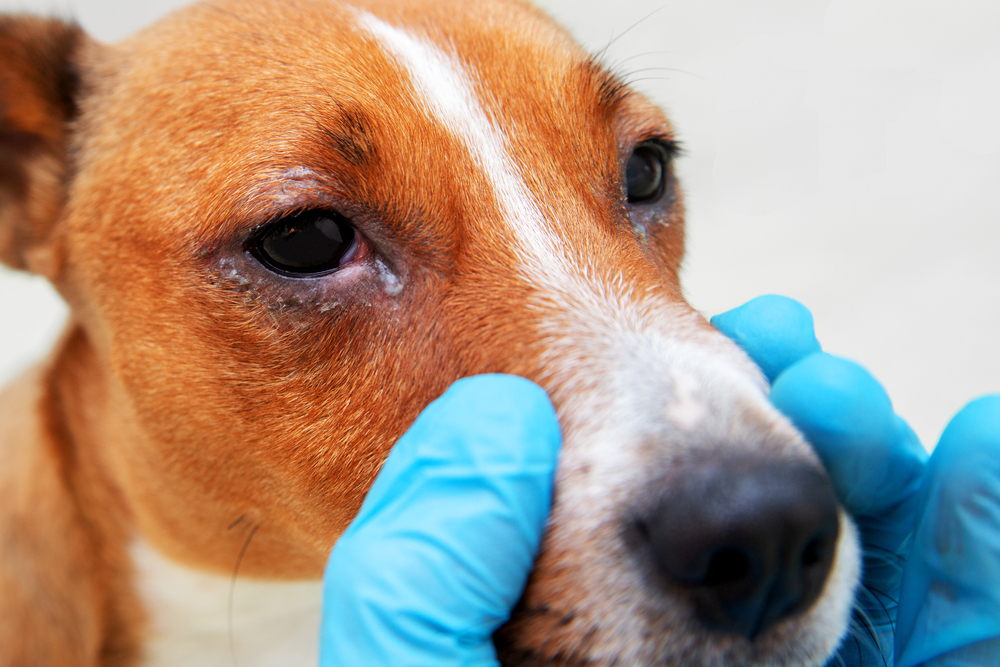
Eyelid tumors can develop slowly and painlessly, so early symptoms may go unnoticed. Observing your pet’s eyes closely can help catch changes before they progress. Larger masses, or masses that touch the cornea directly, can cause significant pain and problems closing the eye properly.
Signs to look for include:
- A visible lump or swelling on or near the eyelid
- Increased tearing or discharge
- Redness or irritation around the eyelid
- Frequent squinting or pawing at the eye
- Crusting or changes in eyelid shape
Even a small bump can rub against the cornea during blinking, creating scratches or corneal ulcers that lead to pain and infection. Recognizing eye pain in pets early can prevent these complications.
If you notice any of these symptoms, it’s best to schedule an evaluation with a veterinary ophthalmologist. Our team’s experience and diagnostic technology allow for quick, accurate identification of eyelid conditions and tailored treatment recommendations.
How Veterinary Ophthalmologists Diagnose Eyelid Tumors
Proper diagnosis is essential to ensure the right treatment plan. At Veterinary Vision Center, diagnosis begins with a detailed examination using specialized tools like a slit-lamp biomicroscope to assess eyelid structure, tumor size, and how deeply it extends.
When necessary, a biopsy or histopathology confirms the tumor type. A small tissue sample or complete surgical excision allows our laboratory partners to analyze the cells and check for malignancy.
Imaging tools, including high-resolution ultrasound and digital photography, help evaluate the surrounding eye tissues. These steps guide surgical planning and help ensure safe, complete removal.
Treatment Options: When Surgery Is the Best Step
Most eyelid tumors require surgical removal, particularly if they interfere with blinking, cause discharge, or have the potential to become malignant.
Surgery is typically recommended when:
- The mass exceeds a few millimeters in size
- It changes rapidly in appearance
- It causes corneal irritation or ulceration
- Pathology confirms malignancy
- The eye shows chronic inflammation
Smaller benign tumors can often be removed quickly with minimal disruption to eyelid function. Larger or more invasive tumors may need reconstructive techniques to maintain eyelid shape and protect the cornea.
At Veterinary Vision Center, we perform eyelid surgeries with meticulous attention to both health and aesthetics, ensuring pets regain comfort and normal function.
Post-Surgical Recovery and Home Care
Healing after eyelid surgery is usually smooth, especially when post-operative instructions are followed carefully. Most pets recover within two weeks and experience little discomfort.
After surgery, pets typically wear an Elizabethan collar to prevent rubbing. We’ll prescribe pain relief and topical medications to reduce inflammation and prevent infection.
At-home care tips:
- Administer eye drops or ointments exactly as directed- see guidelines for giving eye medications.
- Keep the incision clean and monitor for redness or swelling.
- Avoid bathing or letting your pet swim until cleared by your vet.
- Attend all recheck appointments for suture removal and healing evaluation.
Our team provides personalized guidance for every stage of recovery, helping owners feel confident in caring for their pets at home. If any concerns arise, we’re only a phone call away.
Other Ocular Conditions That Need Specialized Care
Eyelid tumors are just one of many conditions that can affect your pet’s eyes. As a specialty practice, we also diagnose and treat:
- Cherry eye: A prolapse of the third eyelid gland requiring surgical repair. This can look like a sudden appearance of an eyelid tumor, but it’s just the third eyelid slipping out of its normal place.
- Corneal ulcers: Painful erosions of the cornea that can lead to vision loss if untreated. These can occur from eyelid masses rubbing on the cornea.
- Dry eye (keratoconjunctivitis sicca): A condition causing inadequate tear production. While eyelid masses don’t cause KCS, dogs with eyelid masses benefit from the same treatment of providing extra lubrication to the eyes surface to prevent rubbing and pain.
- Cataracts and glaucoma: Vision-threatening diseases that require prompt treatment from a board-certified ophthalmologist.
Each condition requires the precision and technology available only in a specialty setting. Our experienced team ensures every diagnosis and treatment plan aligns with your pet’s long-term vision and comfort goals. When you’re here to have an eyelid mass assessed, we’ll also check for other eye conditions like cataracts or glaucoma that may complicate treatment.
Protecting Your Pet’s Vision for Life
Your pet’s eyes are delicate- and early action can make all the difference. Routine eye exams allow us to spot small problems before they become serious. Between visits, observe your pet for redness, cloudiness, tearing, or squinting, and never ignore a change in eye appearance or comfort.
At Veterinary Vision Center, we combine gold-standard medicine with genuine compassion. We care for every pet as if they were our own- because we know that’s exactly how you feel.
If you’ve noticed a lump, discharge, or any change in your pet’s eyes, don’t wait. Request an appointment today or call us inside University Veterinary Hospital in Shreveport, LA. Together, we’ll protect your pet’s vision, comfort, and quality of life for years to come.


Leave A Comment