

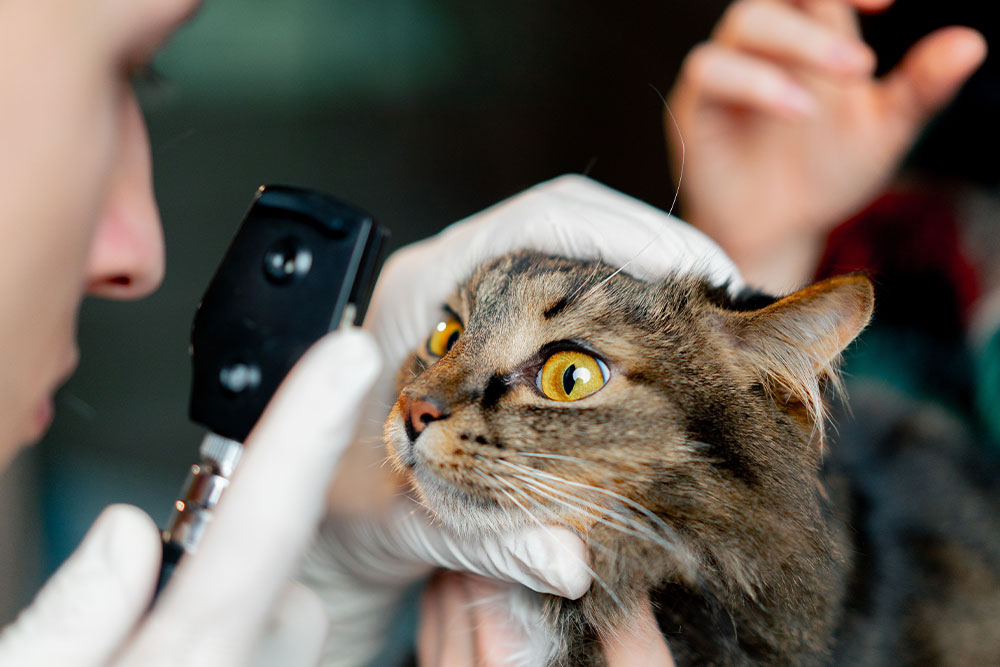
When Eye Problems Need a Specialist: Understanding Veterinary Ophthalmology
General practitioners examine eyes during wellness visits, identifying issues like conjunctivitis, dry eye, and obvious cataracts. Veterinary ophthalmologists focus entirely on eye disease, using specialized tools and advanced surgeries beyond general practice. They handle cataract removal, corneal grafts, glaucoma procedures, and retinal evaluations that require years of extra training. The difference is not just knowledge, but access to diagnostics and treatments not available in primary care.
Veterinary Vision Center in Shreveport provides the specialty care complex eye conditions require. Our board-certified ophthalmologists use equipment like tonometers, electroretinography, and surgical microscopes to diagnose and treat ocular conditions that need more than routine exams. Our services include surgeries to restore vision, manage glaucoma, and repair injuries. When your primary vet flags a problem needing specialist care, we’re here to help protect your pet’s sight. Request an appointment or contact us for a referral.
When Your Pet’s Eyes Tell You Something Isn’t Right
You notice squinting in bright light, new cloudiness, or bumping into furniture. Maybe one eye looks red or irritated. It’s natural to worry and wonder what’s going on.
Your regular veterinarian can handle many eye problems. Some issues, however, need the training and tools of a veterinary ophthalmologist. Knowing the difference helps you get the right care at the right time.
What Makes Veterinary Ophthalmology a Distinct Specialty
The Path to Board Certification
After veterinary school, ophthalmologists complete an internship and a 3–4 year residency focused only on eye care. They train in diagnosing complex diseases, performing microsurgery, and using advanced diagnostics. A rigorous exam follows before earning Diplomate status with the American College of Veterinary Ophthalmologists.
At Veterinary Vision Center, our board-certified specialists bring this expertise to every visit. Our team pairs gold-standard care with clear communication so you always know what to expect.
Your Primary Veterinarian Handles Most Eye Care Needs
Regular Checkups Catch Problems Early
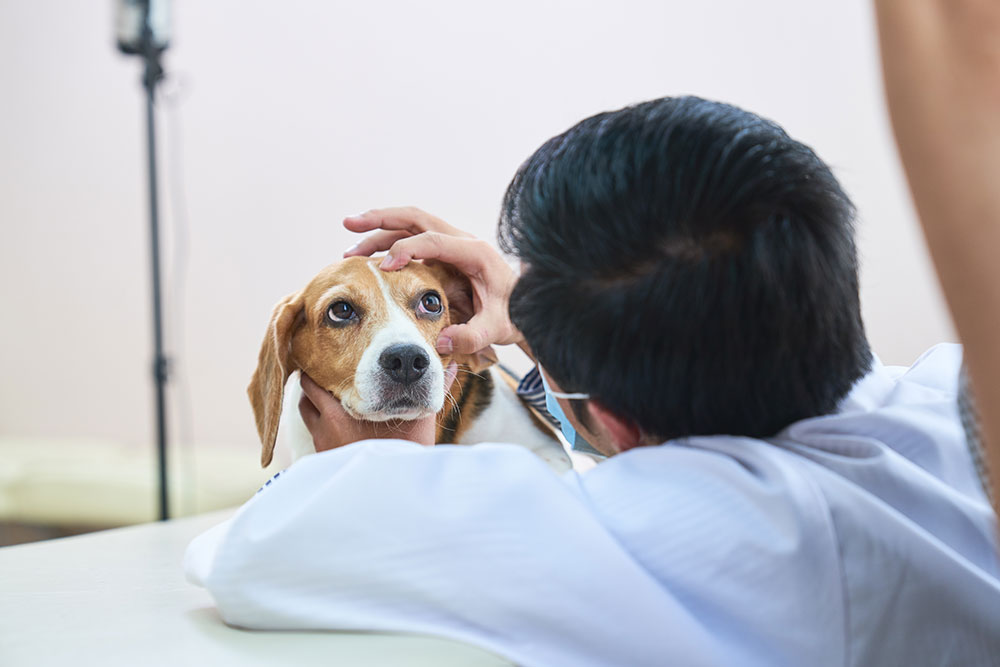
During wellness visits, your vet checks eye health and often treats common issues like minor conjunctivitis, small corneal irritations, and basic eyelid concerns. They also assess tear production and look for foreign material. Having a solid grasp of normal eye structure and function helps them spot early changes. Your regular vet is well-trained in veterinary school to handle most day-to-day eye concerns, but they usually don’t have the expensive specialty equipment and training needed to handle complex cases.
If symptoms appear, start with your primary vet. They know your pet’s history and can decide if standard treatment is enough or if a referral is best. We work together with your regular vet as a partnership to ensure comprehensive levels of care. This teamwork protects vision and comfort.
Recognizing When Specialist Care Becomes Essential
Conditions That Need an Ophthalmologist
Some eye problems are too complex for general practice and benefit from specialist care. Your regular vet referring to us is a good thing. A referral reflects excellent judgment, recognition of the need for advanced care, and ensures your pet gets the right treatment quickly. Conditions we commonly see include:
- Glaucoma causes painful pressure that can damage the optic nerve; it needs precise monitoring and sometimes surgery.
- Severe or recurring corneal ulcers may require advanced therapies.
- Cataracts that block vision often need surgical removal and an artificial lens.
- Retinal detachment and optic nerve disorders can cause sudden or progressive vision loss and require immediate evaluation.
- Sudden vision loss, including acute blindness, needs immediate specialist care.
- Uncontrolled Keratoconjunctivitis Sicca, or dry eye
- Other common eye conditions needing specialty care include tumors, traumatic injuries, congenital issues, chronic painful conditions, and immune-related eye diseases.
At Veterinary Vision Center, we use advanced diagnostics to clarify what’s happening and outline clear options. We’ll explain prognosis and next steps so you can make confident choices.
The Technology Behind Specialized Eye Diagnosis
Tools That See What Routine Exams Can’t
Specialists use equipment that provides detailed views of the eye front to back. These tools help us diagnose earlier and create targeted treatment plans. A specialist’s comprehensive eye examination often includes common ocular testing like:
- Tonometry measures eye pressure for glaucoma.
- Slit-lamp biomicroscopy magnifies the cornea, iris, and lens. Indirect ophthalmoscopy evaluates the retina and optic nerve.
- Electroretinography to check retinal function and gonioscopy to assess drainage angles.
- When the inside of the eye isn’t visible, ocular ultrasonography creates images to assess lens position, detect masses, or look behind cloudy corneas.
These tools require training to use and interpret. Our team uses them daily to provide accurate diagnoses and clear treatment plans.
Surgical Precision That Restores Vision and Relieves Pain
High-Level Overview of Common Procedures
Ophthalmic surgery involves delicate structures and precise techniques. The goal is simple: restore vision when possible and relieve pain.
- Cataract surgery removes the cloudy lens and replaces it with a clear artificial lens. At Veterinary Vision Center, our high success rate reflects careful planning and follow-up.
- Corneal grafting supports healing of deep ulcers or injuries to preserve the eye.
- Glaucoma procedures help manage fluid drainage and reduce damaging pressure.
- Parotid Duct Transposition moves a salivary gland to the eye to help with dry eye
Other surgeries can include eyelid reconstruction, laser therapy, lens luxation repair, trauma repair, or, when needed for comfort, enucleation. We keep you informed, prepare you for home care, and focus on comfort and vision outcomes.
How General Practitioners and Specialists Work Together
Coordinated Care, Better Outcomes
Your primary vet and ophthalmologist form a team. Referrals include medical history and treatments tried, while the specialist completes diagnostics and outlines a plan. Communication continues throughout care so everyone stays aligned.
Follow-up may alternate between practices. Routine refills and stable monitoring can happen with your regular vet, while surgical care and complex adjustments return to the specialist. This model is easy on you and effective for your pet.
At Veterinary Vision Center, we work closely with referring veterinarians across Shreveport. We share clear reports and stay available for questions so your pet benefits from a united care team.
What Happens During Your Specialist Visit
The Consultation Process, Simply Explained
Knowing what to expect helps you prepare and relax.
- History and symptoms: We discuss when signs started, what’s changed, and any treatments tried. Your observations are essential.
- Exam and testing: We measure eye pressure, evaluate the cornea and lens under magnification, and assess the retina and optic nerve. Testing is tailored to your pet’s needs, from basic screening to advanced imaging.
- Results and plan: We explain findings in plain language, review options, and provide estimates. You’ll leave knowing next steps and why they matter.
Treatment plans may include:
- Medications and easy-to-follow instructions
- Surgery with high-level pre and post-op guidance
- Follow-up scheduling and home care tips
- Coordination with your primary vet for ongoing management
Questions are welcome at every step. We want you to feel informed and supported.
FAQs: Quick Answers for Pet Owners
When should I see my primary vet vs. a specialist?
Start with your primary vet for any new eye symptom. If the issue is complex, recurrent, painful, or vision-threatening, they’ll recommend a specialist.
How fast should I act if my pet has sudden vision changes?
Same day if possible. Sudden blindness, severe pain, or a bulging, very red eye can be emergencies.
Are cataracts the same as normal age-related cloudiness?
No. Nuclear sclerosis causes mild haze without major vision loss. Cataracts are true lens opacities that block vision and may need surgery.
Will my pet be in pain during testing or treatment?
Exams are gentle and most tests are quick. We can apply numbing drops to the eye to ensure comfort. If surgery is needed, we use anesthesia and detailed pain control protocols.
What can I do at home to protect my pet’s eyes?
Schedule regular checkups, keep up with medications, use an Elizabethan collar if prescribed, and prevent eye trauma during play.
Protecting Your Pet’s Vision Through Partnership
Your pet’s vision is best protected by routine care with your primary vet and specialized support when needed. Early signs like redness, cloudiness, squinting, or trouble in low light deserve prompt attention. Acting early can save sight and prevent pain.
At Veterinary Vision Center, our board-certified team combines advanced diagnostics and surgery with clear, compassionate guidance. We’ll help you understand what’s happening, what to expect, and how to support healing at home. Contact us or request an appointment to talk through your pet’s eye concerns. We’re here to be your partner, ease your worries, and help protect the vision that keeps your pet engaged with the world.


Leave A Comment